


Choose the current model instead of an old tutorial label
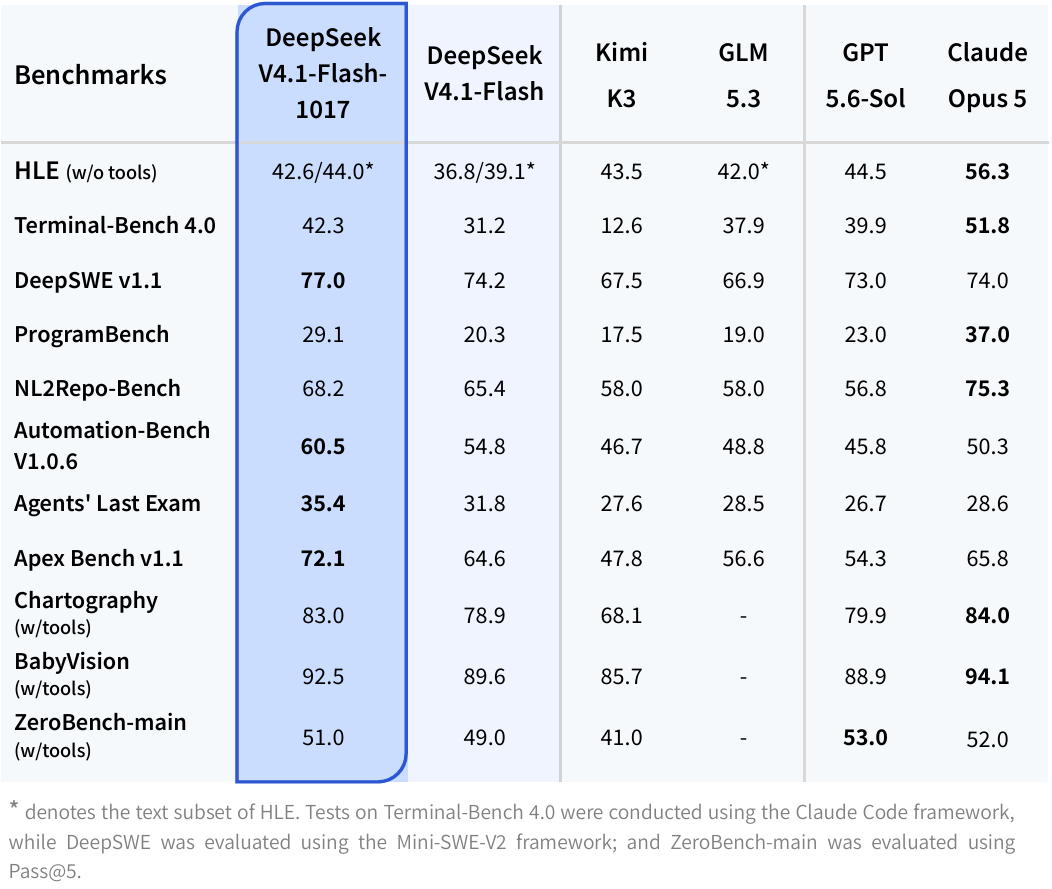
The DeepSeek-V4.1-Flash-1017 announcement discusses coding-oriented workflows. That provider positioning is a reason to evaluate the release for your task, not proof that a proposed patch is correct. Older searches for DeepSeek Coder may refer to different releases.
Record the model exposed by your provider or app. The process below does not require assuming autonomous repository access or permission to merge code.
Sources: DeepSeek-V4.1-Flash-1017 release
Describe one failure with an observable outcome
Include the relevant function, an input that fails, the actual result, and the expected result. Supply the local constraints: language version, dependency behavior, and any interfaces that must remain unchanged.
Fictional example: a pagination helper accepts page=0 and produces a negative offset. The desired behavior is to reject invalid page numbers while preserving the existing behavior for valid inputs. The precise rejection contract must be supplied by the project owner. The DeepSeek vs ChatGPT guide explains how to compare coding workflows without confusing tool access with model capability.
Ask for diagnosis and a minimal change
Request separate observations and hypotheses. This helps a reviewer see whether the diagnosis follows from the supplied code or depends on a missing assumption.
Example prompt:
Review this pagination helper using the supplied contract. Identify the behavior that causes the failure. Propose the smallest patch and explain why it preserves valid inputs. List boundary cases and one regression check. Do not assume access to other files or claim that tests ran unless execution output is available.
Review boundaries rather than only the reported bug
For the fictional helper, consider page=1, page=0, a negative number, a non-integer, and an absent value. Decide which cases belong to this helper and which are validated elsewhere. Avoid introducing a new default without an agreed contract.
Inspect the patch for unrelated changes, altered error behavior, and dependency assumptions. If the model adds a package for a small validation change, ask why the existing code cannot handle it. If the bug concerns a visualized number, the chart-claim review workflow helps verify the source value before changing code.
Execute meaningful checks and preserve evidence
Run the failing example and the relevant existing checks in an isolated development environment. Confirm that the new regression check would fail before the patch; a check that always passes does not protect the behavior.
Keep exit codes and unexpected failures visible. If an unrelated test already fails, record it separately instead of changing an assertion simply to obtain a green result. Reviewers need the scope of the evidence, not an unqualified success statement.
Merge through the normal review process
Before merging, inspect the final diff and ask whether any downstream caller depends on the old behavior. A local check does not establish production rollout safety, and a generated patch does not authorize deployment.
If you use DeepSeek through Orlino, confirm code and file handling in your account. Text-only review can still be useful, but it is different from an environment that executes commands. This tutorial reports no model-run performance result. Repeat the DeepSeek alias regression checklist when a changed route or model mapping could affect the patch-review task.
Frequently asked questions
Can I merge a patch because the explanation sounds convincing?
No. Inspect the code and verify the agreed behavior with relevant checks before normal review and merge.
Should I ask for a full refactor to fix one boundary case?
Only when the scope calls for it. A minimal patch is often easier to assess and reverse.
Sources
Provider information is separate from Orlino account access and plan terms.